
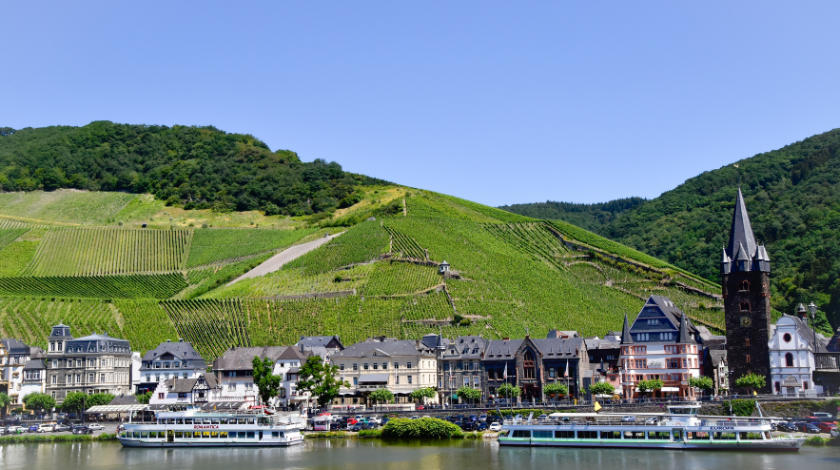
Have you ever glanced at a map of Germany, your eyes skipping past the big, bold names like Berlin, Munich, or Hamburg, and landed on a small, unfamiliar word? That’s how I first found Verl. It was a tiny dot nestled in the green expanse of North Rhine-Westphalia. “Verl,” I said out loud, wondering about the people who lived there and what their daily life was like. It’s easy to overlook places like this, but I’ve learned that sometimes, the most genuine stories are hidden in these quiet dots on the map. So, let’s pull on that thread together and explore Verl, Germany—a town that perfectly embodies the quiet, industrious, and community-focused spirit of its region.
Verl, Germany: More Than Just a Name on the Map
When you hear “Germany,” your mind probably doesn’t jump straight to Verl. And that’s okay. Verl isn’t a bustling metropolis or a fairy-tale tourist magnet. Instead, it’s what I like to call a “backbone town.” It’s the kind of place that forms the reliable, hard-working spine of the country’s economy and culture, where life is lived with a sense of normality and deep-rooted community. With a population of around 25,000, it’s a Gemeinde (municipality) that has managed to grow and thrive without losing its essential character. If you want to understand the real, everyday Germany beyond the postcards, getting to know a place like Verl is a wonderful start.
Where in the World is Verl? Pinpointing Its Location
Let’s get our bearings. I remember trying to find it on a map; it’s a satisfying little puzzle. Verl is located in the north-eastern part of the German state of North Rhine-Westphalia. To be more precise, it sits in the district of Gütersloh, in the historical region known as East Westphalia-Lippe.
Think of it like this: if the major city of Bielefeld (yes, the one with the internet meme) is your main reference point, Verl is situated just to the southwest, only about a 20-minute drive away. It’s also not far from the border with the state of Lower Saxony. This location places it firmly in Germany’s “green heart,” an area characterized by peaceful farmland, forests, and a network of small, interconnected towns and villages. It’s the kind of landscape perfect for cycling on a Sunday afternoon, where the air smells fresh and the pace of life feels just a little more gentle.
A Stroll Through Time: The History of Verl
The story of Verl is not one of dramatic battles or royal decrees, but of gradual, organic growth—a narrative typical of many Central European communities. The name “Verl” itself is believed to have Old Saxon origins, possibly relating to a marshy or wet area, which makes sense given the local topography centuries ago.
For most of its history, Verl was a quiet, agricultural parish. Its transformation began in the 19th century with the arrival of the Industrial Revolution. The region had a strong tradition of linen production, and as that industry evolved, so did Verl. But the real turning point came from an unexpected, and now defining, direction: furniture.
In the late 19th and early 20th centuries, skilled carpenters and joiners in the area began to shift from making simple agricultural implements and household items to crafting high-quality furniture. This wasn’t mass production in giant factories at first; it was skilled craftsmanship that grew from home workshops into larger operations. This foundation would set the stage for Verl’s future identity.
The Beating Heart: Verl’s Economy and the Furniture Connection
Here’s where Verl truly stands out. Today, Verl is informally known as the “Furniture Town” (Möbelstadt). It’s the economic engine of the community and a point of immense local pride. We’re not just talking about a few stores; we’re talking about a dense concentration of furniture manufacturers, suppliers, and showrooms. Driving through its industrial areas, you’ll see the signs of renowned German furniture brands, many of which are family-owned businesses that have been operating for generations.
The crown jewel of this identity is the Möbelmarkt Verl (Verl Furniture Market). Imagine a dedicated, sprawling district where numerous furniture outlets and showrooms cluster together. For locals and people from surrounding cities, it’s a destination for furnishing their homes. For the town, it’s a major employer and a magnet for related businesses, from upholsterers to logistics companies. This specialization is a brilliant example of how a small town can carve out a powerful national niche. It’s not trying to be everything to everyone; it’s decided to be the absolute best at one thing.
From my conversations with people from the area, this industry creates a tangible sense of stability. It provides skilled jobs—in design, woodworking, sales, and management—that allow families to build their lives there. It’s a modern extension of that old craft tradition, now powered by advanced technology and design, but still rooted in a commitment to quality.
Living in Verl: Atmosphere, Community, and Lifestyle
So, what’s it actually like to live in Verl? If you crave the 24/7 neon pulse of a giant city, it might feel too quiet. But if you value a strong sense of community, safety, and a family-friendly environment, Verl has a lot to offer.
The town center (Stadtzentrum) is compact and pleasant, with the St. Anna Church as a historical landmark. You’ll find the essential shops, bakeries (a must in any German town!), cafes, and restaurants where life unfolds at a measured pace. There’s a focus on local clubs and associations (Vereine), from sports and music to gardening and volunteer fire departments. This Vereinsleben is the social glue of towns like Verl, where people connect over shared interests.
Housing is a mix of traditional half-timbered houses and modern homes, and you’re always just a short walk or bike ride away from fields and forests. The schools are well-regarded, and the proximity to Bielefeld and the excellent autobahn connections mean that bigger-city amenities, airports, and cultural events are easily accessible without having to live in the hustle. It’s a classic case of “having your cake and eating it too”—tranquil suburban/rural living with urban options within reach.
What to See and Do In and Around Verl
Verl itself is more about experiencing a way of life than ticking off a long list of tourist sights. However, that doesn’t mean there’s nothing to do.
-
St. Anna Church: The Catholic parish church, with its origins dating back centuries, is a central point in the townscape.
-
Local Parks and Nature: The Moosheide area and the Verl City Forest offer beautiful spaces for walking, jogging, and relaxing.
-
The Furniture Showrooms: For anyone interested in interior design or just curious about German craftsmanship, browsing the Möbelmarkt Verl is an activity in itself. The scale and quality on display are impressive.
-
Cycling: The surrounding East Westphalian countryside is crisscrossed with well-maintained cycling paths. Renting a bike and exploring the rural lanes is the perfect way to spend a day.
And your location is a fantastic springboard for day trips:
-
Bielefeld: Explore its Sparrenburg castle, old town, and art museums.
-
Gütersloh: The district capital has a lovely historic center and the Mohn Park.
-
Detmold: A bit further afield, this beautiful town is home to the magnificent Detmold Open-Air Museum and the Hermann Monument.
-
Teutoburg Forest: This low mountain range is a hiker’s paradise, steeped in history (the site of a famous Roman battle) and natural beauty.
How to Visit Verl: Practical Tips for Travelers
If I’ve piqued your curiosity and you’re considering a visit, here’s my practical advice. Verl is best visited as part of a broader exploration of the East Westphalia-Lippe region.
Getting There:
-
By Car: This is the most flexible option. Verl is easily accessible via the A2 and A33 autobahns. The furniture showrooms often have ample parking.
-
By Train: Verl has a train station (Bahnhof Verl) served by regional services, connecting it to Bielefeld, Gütersloh, and other towns. Public transport within the town itself is limited, so plan accordingly.
-
By Air: The closest major airports are Paderborn/Lippstadt (PAD) and Hannover (HAJ), each about an hour’s drive away. Düsseldorf (DUS) is a larger international option about 1.5-2 hours by car or train.
Staying There:
You’ll find a selection of good, practical hotels and guesthouses, including some attached to or near the furniture showrooms, catering to business travelers and shoppers. Don’t expect grand historic hotels; expect clean, comfortable, and friendly German hospitality.
When to Go:
Late spring through early autumn (May to September) is ideal for enjoying the outdoors. The Christmas season can also be charming, with local markets in the nearby towns.
Conclusion
Verl, in the end, is a lesson in appreciating the quiet contributors. It’s a town that built a global reputation from a foundation of local craft. It offers a glimpse into a Germany that is stable, community-oriented, and proudly specialized. It won’t shout for your attention with ancient castles or glamorous nightlife, but it will welcome you with the quiet confidence of a place that knows exactly who it is. Whether you’re a potential visitor curious about the German heartland, someone interested in industrial niches, or just a fellow map-gazer who wonders about the stories behind the dots, Verl reminds us that every place, no matter how small, has a unique thread in the vast tapestry of a country. And sometimes, pulling on that thread reveals a story of craftsmanship, community, and quiet success that is truly inspiring.
Frequently Asked Questions (FAQ)
Q1: What does “Verl” mean?
A: The exact meaning isn’t definitively proven, but it’s widely believed to be of Old Saxon origin, likely referring to a marshy or wet area. Place names often derive from geographical features, and this fits the historical landscape of the region.
Q2: How do you pronounce “Verl”?
A: It’s simpler than it looks! Pronounce it like “Fair-l” but with a “V” sound at the start. The “V” in German is pronounced like an English “F”. The “er” sounds like the “air” in “fair,” and the “l” is a clear, light sound. So, it’s “FAIR-l”.
Q3: Is Verl worth visiting as a tourist?
A: It depends on your interests. If you’re looking for major tourist landmarks or nightlife, it might not be a primary destination. However, if you enjoy seeing authentic, non-touristy German towns, are interested in furniture and design, or are using it as a peaceful base to explore the scenic Teutoburg Forest and East Westphalia region, then yes, it can be a very rewarding visit.
Q4: What is Verl, Germany, known for?
A: Verl is famously known as a center for the furniture industry. It’s home to a high concentration of furniture manufacturers and the “Möbelmarkt Verl,” a large furniture market district with numerous showrooms and outlets. This specialization defines its economy and much of its modern identity.
Q5: Which region and state is Verl in?
A: Verl is located in the state of North Rhine-Westphalia (Nordrhein-Westfalen), in the district of Gütersloh, within the historical region of East Westphalia-Lippe (Ostwestfalen-Lippe).
Read Also: Model 4257398401 Smart Oven Review: Is This The Kitchen Hero You Need? | Honest Test
